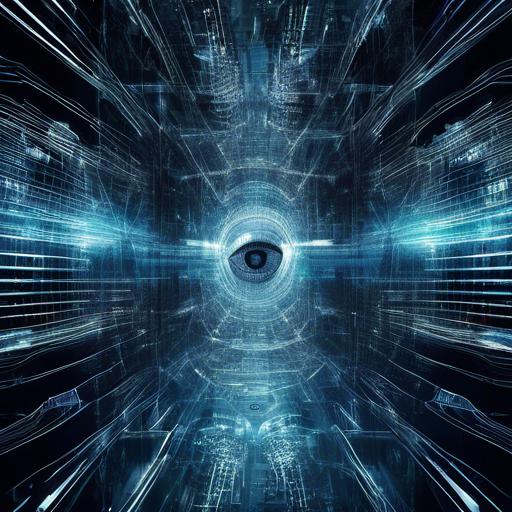
In the not-so-distant past, art and technology often felt like distant cousins, curious about each other but never quite meeting for a family reunion. Today, however, the landscape has dramatically shifted. Imagine a canvas that stretches infinitely in all directions, where the palette is composed of ones and zeros, and the brush is an algorithm tirelessly painting strokes of creativity. Welcome to the mesmerizing realm of AI image generation, a place where the frontiers of art and technology blend seamlessly, giving rise to a new era of limitless artistic expression. This harmonious fusion doesn’t replace the human touch; instead, it amplifies it, offering artists and technophiles alike a playground brimming with unprecedented possibilities. How did we arrive at this exhilarating juncture, and what does it mean for the future of creativity? Let’s embark on this illuminating journey together, exploring how AI image generation is not just a tool but a bridge, inviting us to cross over into realms of imagination previously uncharted.
Understanding the Evolution of AI in Artistic Creation
Artificial intelligence has come a long way since its inception, and nowhere is this more evident than in the realm of artistic creation. By harnessing the power of AI, artists can now generate stunning visuals and intricate designs that were previously unimaginable. This synergy between art and technology has opened up a myriad of opportunities for creativity, pushing the boundaries of what is possible.
AI-powered tools like neural networks and deep learning algorithms have revolutionized the way we approach art. These tools can analyze vast datasets of existing artworks to understand styles, patterns, and techniques. As a result, AI can produce original pieces that mimic the styles of famous artists or create entirely new genres that blend different artistic elements. Imagine an AI creating a painting that combines the surrealism of Salvador Dalí with the abstract expressionism of Jackson Pollock—such a fusion is now within our grasp.
Style Transfer: AI can replicate an existing artwork’s style onto a new image, creating a unique piece that embodies the selected style.
Generative Art: AI can produce never-before-seen art by learning from existing data and generating fresh designs.
Collaborative Creation: Human artists can work alongside AI to co-create art pieces, blending human intuition with machine precision.
The impact of AI on artistic creation extends beyond visual arts. Musicians, writers, and designers are also leveraging AI to enhance their work. For instance, AI can analyze musical compositions to create new songs that evoke similar emotions or write poems that follow a particular meter and rhyme scheme. The potential applications are limitless, offering a supportive platform for artists to explore and innovate.
AI Application
Description
Style Transfer
Applying the style of one image to the content of another.
Image Synthesis
Creating new images from scratch using learned patterns.
Content Creation
Generating content like music, poems, or stories with AI assistance.
Art Restoration
Using AI to help restore or recreate damaged artwork.
As AI continues to evolve, its role in artistic creation will only become more integral. Artists who embrace this technology can unlock new modes of expression and refine their craft in unprecedented ways. By bridging the gap between art and technology, AI not only aids in creating art but also helps to redefine what art can be in the modern age.
The Science Behind AI Image Generation
Artificial Intelligence (AI) has turned the realm of image generation into an exciting frontier where art meets cutting-edge technology. At its core, AI image generation relies on advanced algorithms and deep learning techniques to create visual content that can be strikingly realistic or wonderfully abstract. This transformational technology builds upon neural networks, particularly Generative Adversarial Networks (GANs), which have become pivotal in teaching machines to generate intricate images almost indistinguishable from those made by humans.
The principle behind GANs is ingeniously simple yet profoundly effective. These networks consist of two main components:
Generator: The part of the network responsible for creating new images from random noise.
Discriminator: The adversarial counterpart that evaluates the generated images against real ones.
In essence, the generator and discriminator are in constant interplay, improving through a process where the generator tries to create more convincing images, and the discriminator becomes better at detecting them. **The resulting output is a level of detail and realism that continually evolves, leading to impressive visual content.**
**Key factors in AI image generation** also include massive datasets and computational power. **Training models on a diverse range of images enables these systems to learn various styles, textures, and object formations, ensuring a broader range of outputs.** High-performance GPUs accelerate this process, allowing for more sophisticated training and faster results. The integration of AI into creative fields paves the way for endless possibilities in art, design, and even commercial applications.
For a deeper understanding, let’s look at some essential components in a summarized form:
Component
Role
Neural Networks
Structures that mimic brain function to process data
Deep Learning
Advanced form of machine learning for higher accuracy
**This unprecedented blend of art and technology** not only enhances creative expression but also brings efficient solutions to fields like marketing, design, and even entertainment. As AI continues to evolve, the landscape of image creation will undoubtedly become more sophisticated, offering tools and possibilities previously thought to exist only in the realm of science fiction.
Exploring the Benefits: Efficiency and Innovation in Art
In today’s fast-paced world, artists are discovering unprecedented levels of efficiency through the integration of AI in their creative processes. Rather than replacing human creativity, advanced AI image generation tools are acting as catalysts, helping artists to materialize their visions more swiftly. These tools expedite tasks that once took hours, allowing creatives to focus more on the conceptual aspects of their work.
One remarkable benefit is the ability to generate diverse iterations of a single idea. By inputting different parameters, artists can explore countless variations of a piece in a matter of minutes. This also ensures they can fine-tune their final product to perfection. For example, an artist can quickly generate various color schemes, styles, and compositions before settling on the one that best conveys their intended message.
AI also fosters innovation by introducing novel styles and techniques that might be unfamiliar to the artist. This collaborative effort between human and machine opens up new avenues for self-expression and recognition. The creation process becomes a journey of discovery, where unexpected AI-generated elements can spark fresh ideas and creative directions.
Efficiency Boost
Innovation Spark
Rapid creation of variations
Introduction to novel styles
Streamlining repetitive tasks
Collaborative idea generation
Additionally, AI tools provide artists with access to a plethora of resources and inspiration. Through machine learning, these tools can analyze vast databases of art from different cultures and eras, presenting the user with a rich tapestry of inspiration. This, in turn, encourages a deeper appreciation and understanding of global artistic traditions.
Ultimately, the synergy between AI and human creativity stands as a testament to how technology can enhance—not overshadow—the artistic soul. By embracing these advancements, artists can push the boundaries of their craft, blending efficiency and innovation to create works that resonate on profound and unexpected levels.
Navigating Ethical Considerations in AI-Driven Art
The fusion of artificial intelligence and the realm of art has opened up a Pandora’s box of ethical questions. With AI image generators capable of producing stunning artworks, the lines between human creativity and machine-driven processes blur, raising concerns and admiration alike. One primary challenge lies in ensuring that AI-generated art respects the rights and contributions of human artists.
Attribution: Acknowledging the input of original artists whose work might have been used to train AI models.
Authenticity: Defining what constitutes ‘original’ art when created by AI and determining how these artworks should be categorized in the art world.
Ownership: Clarifying who holds the intellectual property rights—for instance, the programmer, the user, or perhaps even the AI itself?
Bias and Fairness: Ensuring AI models do not perpetuate or exacerbate existing biases within the art community or the broader cultural landscape.
The table below outlines typical stakeholders in AI-driven art and their primary ethical concerns:
Stakeholder
Primary Concern
Artists
Recognition and Attribution
Technologists
Bias in AI Models
Consumers
Authenticity and Trust
Legal Experts
Intellectual Property Rights
In addition, there is a need to address the **long-term implications of AI in art**. Will it democratize creativity, providing everyone the tools to create beautiful and compelling art, or will it undermine traditional artists who rely on their craft for livelihood? While AI can push the boundaries of artistic expression, it is crucial to navigate these waters thoughtfully.
Ultimately, fostering a supportive dialogue between artists, technologists, legal experts, and consumers is essential to navigating these ethical considerations. The goal should be to create a balanced ecosystem where AI-driven art can thrive without overshadowing the invaluable contribution of human creativity.
Choosing the Right AI Tools for Image Generation
Deciphering the vast array of AI tools for image generation can feel overwhelming, but choosing the right one is paramount for achieving your creative vision. To make this journey smoother, consider key features such as user-friendliness, customization options, and the quality of output. Each tool offers a unique set of capabilities tailored to different needs, whether you’re a seasoned artist or just starting your digital art adventure.
Key Considerations:
Usability: Is the tool intuitive enough for beginners while providing advanced features for experienced users?
Customization: How flexible is the tool in allowing you to tweak and personalize parameters?
Output Quality: What is the resolution and detail level of the generated images?
Take a look at popular AI image generation tools and how they stack up:
Each of these tools excels in different domains, making it essential to align your needs with their strengths. For highly realistic and detailed images, DALL-E 2 is a robust choice. If you prefer a tool that offers a variety of artistic styles, MidJourney might be your go-to. for those who love to collaborate and experiment, Artbreeder provides a playful yet powerful platform.
Ultimately, your choice should reflect the goals of your project and your personal preferences. Don’t hesitate to experiment with multiple tools to find the perfect fit. Remember, the right AI tool can magnificently elevate your creative outputs, bridging the captivating world of art with cutting-edge technology.
Practical Tips for Integrating AI into Your Artistic Workflow
Integrating AI into your artistic workflow can significantly enhance your creative process and open up new avenues for exploration. Here are some practical tips to help you smoothly incorporate AI technologies into your art.
Start with Small Projects: Begin by integrating AI tools into smaller, less critical projects. This way, you can experiment and learn without the pressure of a major project looming over you.
Leverage Existing Platforms: Utilize AI tools from established platforms like DeepArt, Artbreeder, or RunwayML. These platforms offer user-friendly interfaces and community support that can help you get started.
Understand the Basics: A foundational understanding of how AI works can be invaluable. Spend some time learning about machine learning, neural networks, and how AI processes images.
One of the most effective ways to integrate AI is by using it as a creative collaborator. Instead of viewing AI as a tool that performs tasks for you, think of it as a partner that can enhance your artistic vision.
AI Tool
Best For
Feature Highlights
Artbreeder
Creating unique character designs
Interactive genetic algorithm, Mix & Match traits
DeepArt
Transforming photos into artwork
Style transfer, High-quality outputs
RunwayML
Experimenting with various models
Real-time collaboration, Extensive model library
Set Clear Objectives: Determine what you want to achieve with AI. Whether it’s enhancing existing pieces, generating new ideas, or exploring new styles, having clear objectives will guide your use of AI tools.
Iterate and Experiment: AI thrives on iteration. Don’t be afraid to experiment and iterate on your creations. The more you play with the parameters and settings, the more unique and refined your results will be.
Balancing Human Creativity and Machine Intelligence
In the blossoming realm of digital artistry, the fusion of human imagination and machine learning has opened up unprecedented avenues for creative expression. This harmonious blend offers artists new tools to manifest their visions while leveraging the computational prowess of artificial intelligence.
**Human creativity** thrives on intuition, emotion, and personal experience, aspects that machines emulate but hardly replicate. At the same time, **machine intelligence** excels in processing vast datasets, recognizing patterns, and generating content with remarkable speed and precision. Together, these strengths can result in artistic works that are rich, innovative, and deeply resonant.
Consider the following benefits of combining human creativity with AI image generation:
Inspirational Seed: Human artists can input their raw ideas, sketches, or themes, and AI can generate multiple interpretations, sparking new creative insights.
Efficiency: AI can take care of repetitive tasks, such as color filling or texture application, allowing artists to focus on the conceptual and intricate aspects of their work.
Accessibility: Artists with varied levels of technical skills can use AI tools to achieve professional-level results, democratizing access to high-quality art creation.
Aspect
Human Creativity
Machine Intelligence
Emotion
Rich, nuanced
Simulated, optimized
Innovation
Original, abstract
Pattern-based, algorithmic
Efficiency
Experience-driven
High-speed, scalable
The synergy between human and machine is more than a mere collaboration. It stands as a redefinition of what it means to be an artist in the digital age. Artists are no longer just creators; they are curators and collaborators, shaping and being shaped by the AI tools they use. This dynamic interplay ushers in a new paradigm where art becomes a shared journey, transcending the boundaries of human limitation and machine logic.
This digital revolution encourages a shift in perspective, inviting artists to explore uncharted territories and challenge traditional notions of creativity. By leveraging AI, artists delve deeper into their aesthetic pursuits, achieving works that not only showcase their unique voice but also echo the transformative power of technology.
Case Studies: Success Stories of AI in Art
The art world is witnessing an unprecedented transformation with the rise of AI-powered image generation tools, reshaping creativity and artistic expression. Artists and technologists are joining forces, unleashing a new era of innovation. Let’s delve into some captivating success stories where AI has not only assisted but revolutionized the art scene.
1. DeepArt: Melding Algorithm with Aesthetics
**Problem**: Traditional artists were struggling with adapting their styles to digital formats.
**Solution**: DeepArt, an AI-powered tool, renders existing artworks into new styles through deep neural networks.
**Impact**: Expanded digital presence for artists, making their work accessible worldwide and in diverse formats.
Feature
Benefit
Style Transfer
Artists can transform their pieces into various popular styles.
Ease of Use
User-friendly interface making advanced functions simple.
2. **Artbreeder**: Collaborative Canvas
A shining beacon of the art-tech synergy, **Artbreeder** empowers users to generate new artwork by blending and evolving images. It leverages a collective creativity concept, making art creation a shared experience.
**Approach**: Users start with a base image and can crossbreed features with others, resulting in unique, collaborative creations.
**Result**: Contribution from diverse cultures and ideas, leading to innovative and culturally rich artworks.
**Significance**: Lowered barriers for entry into the art world, making art creation accessible for all, regardless of skill level.
**RunwayML** has carved a niche in the creative tech landscape, providing a suite of AI tools that artists can effortlessly incorporate into their workflow. Among its most popular features is the capacity for real-time image generation and manipulation.
**Illustration**: Artists created compelling visual narratives by combining traditional art practices with real-time AI enhancements.
**Exhibition**: The 2022 “AI Art in Motion” exhibition featured several pieces co-created with RunwayML, attracting global acclaim.
**Forward-Thinking**: Seamless integration with popular design software, bridging the gap between traditional methods and new technologies.
The intersection of art and technology has never been more thrilling, with AI tools amplifying human creativity and breaking the mold of conventional art creation. These success stories demonstrate the boundless possibilities when artists and technologists collaborate, venturing into uncharted creative territories.
Future Trends: What to Expect from AI in Art and Technology
As AI continues to evolve, its fusion with art and technology is spawning unprecedented creative possibilities. Future trends indicate that AI image generation will become even more sophisticated and integral to various industries. Artists and technologists alike are beginning to embrace this synergy, which promises to redefine what we understand about creativity and innovation.
The democratization of art stands at the forefront of these trends. With AI tools becoming more accessible, anyone with a curious mind and a creative spark can now delve into artistic ventures without traditional barriers. This includes aspiring artists, designers, and hobbyists who can leverage AI to generate stunning visuals, experiment with new styles, and even collaborate with AI as their co-creator.
In the realm of technology, AI-generated imagery is revolutionizing fields such as advertising, gaming, and virtual reality. Brands can rapidly produce engaging visuals for marketing campaigns, while game developers use AI to create immersive and dynamic environments. Additionally, the convergence of AI with augmented reality (AR) and virtual reality (VR) is unlocking new potential for interactive experiences.
Here are some specific trends to watch for:
Personalized Art Creations: AI algorithms will be able to generate personalized pieces of art tailored to individual tastes and preferences.
With these advancements, AI is not merely a tool but an evolving partner in the creative process. As we journey into this brave new world, the boundaries between art and technology will become increasingly blurred, giving rise to innovative expressions that were once the domain of science fiction.
To Conclude
As we continue to witness the remarkable fusion of art and technology through AI image generation, it is clear that limitless possibilities lie ahead. The harmonious marriage of creativity and innovation has given birth to a new era of artistic expression, paving the way for groundbreaking advancements in various fields. Let us embrace and nurture this extraordinary collaboration with open minds and hearts, for it is through the synergy of art and technology that we will continue to push boundaries, inspire generations, and create a more beautiful and connected world. So, let us raise our brushes and algorithms high, as we embark on this exciting journey towards a future where art and technology seamlessly intertwine, enriching our lives in profound and unimaginable ways. Let the canvas of our imagination be boundless, and may our creations continue to captivate, inspire, and transcend beyond the realms of possibility. Together, let us bridge the gap between art and technology, and shape a future that is truly magnificent.